
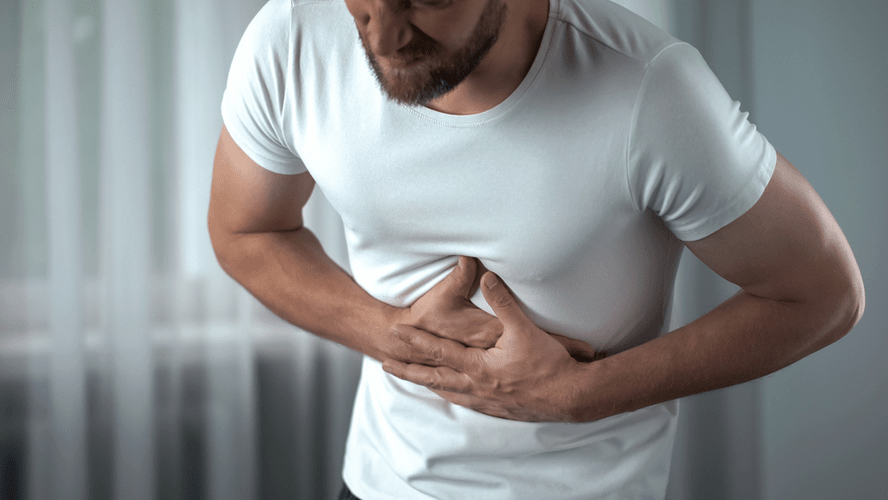
You’ll experience burning stomach pain, persistent bloating, and acid reflux during active drinking phases. Early intervention prevents the progression to more severe complications and chronic addiction. Seeking help at the first signs of alcoholism increases your chances of successful recovery and reduces the risk of long-term health consequences, legal problems, and relationship damage. You continue drinking even though you know it worsens your physical or mental health problems.
What’s the Difference Between Casual Drinking and Alcoholism?
Individuals struggling with alcoholism often find themselves withdrawing from their social circles and isolating themselves from friends and family. Feelings of shame, guilt, and embarrassment can lead to a desire to hide their drinking habits. This isolation and secrecy can manifest as avoiding social gatherings, making excuses to avoid interactions, or becoming increasingly secretive about their alcohol consumption. Isolation and secrecy can further exacerbate feelings signs of alcoholism of loneliness and contribute to the cycle of addiction. Individuals struggling with alcohol addiction may engage in risky behaviors such as drunk driving, public intoxication, or disorderly conduct, which can result in legal consequences.
- Professional help becomes essential when alcohol affects your work performance, academic achievement, family relationships, or social connections.
- Sometimes, people with AUD will drive, swim, or operate heavy machinery while intoxicated, leading to risky situations, medical emergencies, and death.
- Dr. Adriana Popescu is a licensed clinical psychologist, addiction specialist, and empowerment coach with over 20 years of experience in the mental health field.
Severe Alcohol Use Disorder
Heavy alcohol use is binge drinking on five or more days within the past month, or consuming more than seven drinks per week for women and more than 14 drinks per week for men. The Antisocial DrinkerOften struggles with co-occurring mental health issues such as trauma, anxiety, or depression alongside alcohol use. Recognizing the early warning signs of alcohol use disorder (AUD) can make all the difference.
When Physical Symptoms Are Telling You to Seek Help
What starts as one or two drinks after Sober living house work can gradually turn into three or four. Alcohol abuse occurs when a person drinks excessively and frequently, causing harm to their health, relationships, or responsibilities. Unlike alcoholism (alcohol dependence), alcohol abuse doesn’t always involve a physical addiction but often precedes it.
Alcoholism or alcohol use disorder (AUD) is a chronic disease that arises from alcohol misuse. If you’ve struggled to cut back on your drinking, Confidant Health is here to help. We provide virtual medication assisted treatment for alcohol use, so you can consult with our doctors right from home. Download it today to begin medication assisted treatment and start on the path toward recovery. A person who is showing signs of a drinking problem is likely to have strong alcohol cravings. In more severe cases, cravings may be so strong that a person is unable to think about anything other than the desire to drink.

Careers
Dr. Adriana Popescu is a licensed clinical psychologist with over 25 years of experience specializing in trauma, addiction, and co-occurring disorders. She leads Avery Lane’s clinical programming with a focus on evidence-based and holistic care for women. Women are more likely to drink in private and may experience faster physical consequences. They’re also more likely to use alcohol to cope with emotional pain or trauma.

They eagerly attend any gathering that involves alcohol, making it a centrepiece of their social life. Even family occasions lose significance if alcohol isn’t part of the equation. These impacts create a dangerous cycle where alcohol use worsens mental health symptoms, often leading to increased dependence and further psychological decline.
- The goal of outpatient treatment is to provide therapy, education, and support in a flexible environment.
- Also, the severity of alcohol abuse may play a role in the warning signs a person exhibits.
- Alcohol increases the risk of several long-term diseases, including cancer, liver failure, bone deterioration, erectile dysfunction, and hypertension.
- The body’s tolerance to alcohol decreases, increasing the risk of overdose and other serious health issues.
- Nearly 15 million adults in the U.S. struggle with Alcohol Use Disorder.
- The risk of alcohol use disorder is typically higher among people who drink heavily or engage in binge drinking.
- Drinking while pregnant can seriously harm the developing fetus, raising the risk of fetal alcohol syndrome, premature birth, and miscarriage.
- They can conduct a thorough assessment and recommend appropriate treatment options based on individual needs.
- A doctor may order additional tests to find out whether alcohol-related damage to the liver, stomach or other organs has occurred.
- The serious nature of this disorder affects 14.5 million Americans aged 12 and older, showing the widespread impact of these social disruptions.
- Frequent absenteeism, tardiness, and workplace incidents can jeopardize your job security and career advancement, especially in safety-critical positions.
Alcohol use disorder includes a level of drinking that’s sometimes called alcoholism. At Missouri Behavioral Health, James’s mission is to expand access to high-quality, person-centered mental health and substance use treatment across the state. After detox, patients begin structured therapy sessions and medical check-ins through ambulatory care. This helps reduce the risk of relapse and reintroduces healthy routines. We also provide life skills training and medication options like naltrexone to support recovery.
Addiction Treatment
Once an individual commits to stop drinking, the physician will watch out for and treat withdrawal symptoms. During the withdrawal process, the doctor may prescribe a class of antianxiety drugs called benzodiazepines for a short period in order to reduce withdrawal symptoms. A person with alcohol use disorder has come to rely on alcohol physically, psychologically and/or emotionally. The brain adapts to the presence of alcohol and undergoes persistent changes. When alcohol use suddenly stops, the body is not accustomed to being alcohol free. The internal environment changes drastically, causing symptoms of withdrawal.

Recent Comments